Unpacking ZipSlim's Weight-Loss Claims
ZipSlim, a weight-loss supplement marketed as part of the Zip Boom product line, promises to facilitate weight loss by suppressing appetite and boosting metabolism. However, assessing its true effectiveness requires a critical examination of its ingredients, supporting evidence, and potential risks. This review aims to provide an objective analysis based on available information, helping readers make informed decisions.
Ingredient Analysis: A Closer Look
While the exact formulation of ZipSlim isn't consistently transparent across all marketing materials, many versions contain ingredients such as caffeine and green tea extract. Caffeine is a known stimulant that can increase energy expenditure and suppress appetite, while green tea extract contains compounds like catechins, associated with increased metabolism and fat oxidation. However, the specific dosages of these, and other potential ingredients, remain unclear, hindering a definitive evaluation of their contribution to weight loss within the ZipSlim blend. A lack of transparency regarding ingredient amounts makes accurate assessment difficult. Does the blend work synergistically? Currently, there's insufficient evidence to support this claim.
Clinical Evidence: What Does the Research Say?
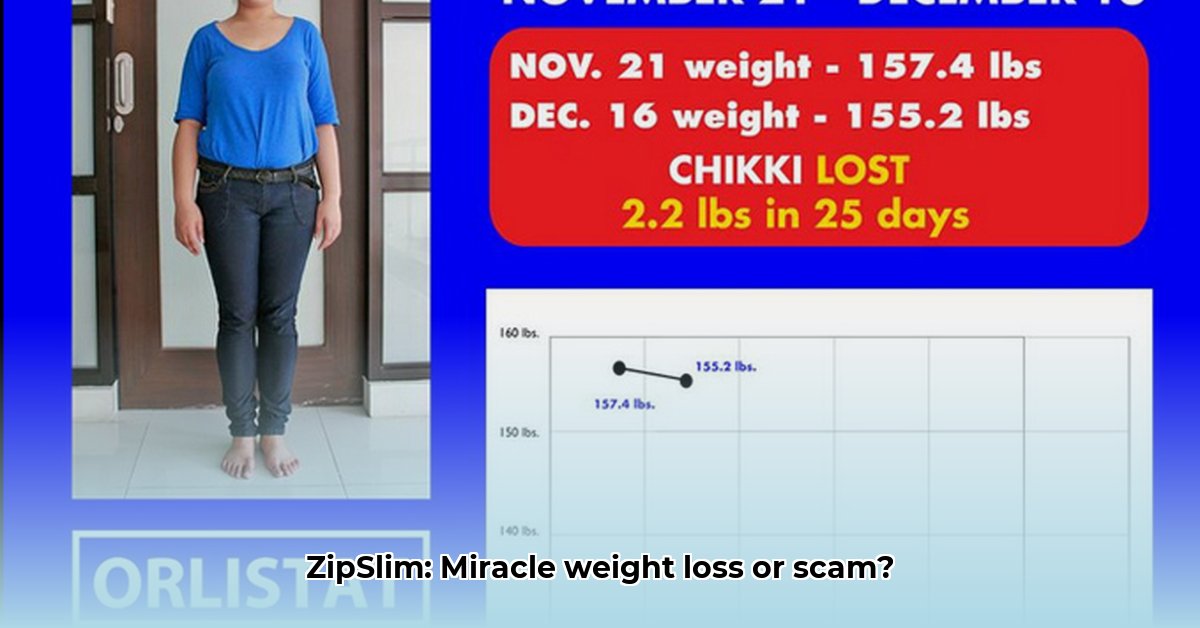
The available evidence supporting ZipSlim's weight-loss claims is limited and often lacks transparency. Marketing materials may cite studies, but critical details like study design, participant demographics, and methodology are often absent. Without access to comprehensive, peer-reviewed research conducted by independent scientists, it's impossible to verify the validity and reliability of the purported weight-loss effects. The absence of robust clinical trials significantly weakens the evidence base supporting ZipSlim's efficacy. Do the results shown generalize to the broader population? We need more data to answer this.
Potential Side Effects: Understanding the Risks
A significant potential concern with ZipSlim is its likely caffeine content. High caffeine intake can lead to various side effects, including anxiety, insomnia, jitters, digestive upset, and increased heart rate. These effects can be particularly problematic for individuals sensitive to caffeine or those with underlying health conditions. The interaction of ZipSlim's other ingredients with medications or pre-existing health conditions is also unknown. It's crucial to consult with a healthcare professional before using ZipSlim, especially if you have any health concerns or are taking medication.
Target Demographics: Who Might Benefit?
Based on the limited evidence and potential side effects, ZipSlim might seem most suitable for adults who are generally healthy, already following a healthy diet and exercise regimen, and seeking a potential supplementary aid for weight loss. However, individuals sensitive to caffeine or with underlying health issues should exercise caution. Those with pre-existing health conditions or on medication should consult their physician before using this, or any other, weight-loss supplement.
Cost and Value: Weighing the Investment
The cost of ZipSlim varies depending on the retailer and purchase quantity. Before making a purchase, it is essential to compare its price against other weight-loss supplements on the market and to assess the potential value proposition. Considering the lack of robust scientific evidence supporting ZipSlim's weight-loss claims, the potential cost-benefit ratio needs careful consideration, especially relative to lifestyle interventions known to promote weight loss.
Conclusion: A Balanced Perspective
The effectiveness of ZipSlim remains largely unproven due to a lack of transparent, independent research. While some individual ingredients may offer potential benefits, the efficacy of their combined effect within the ZipSlim formulation requires more substantial evidence. The potential side effects related to caffeine and lack of complete ingredient disclosure raise further concerns. Prioritizing a well-balanced diet, regular exercise, and lifestyle changes remains the most reliable approach to effective weight management. Supplements should be considered only as potential adjuncts, while always consulting a healthcare professional before incorporating them into your routine. Always remember to prioritize your health and make informed choices.